Showing posts with label pet vaccination. Show all posts

Tuesday, 1 May 2012

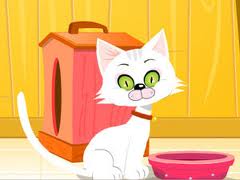
Virtual Cat Is A Real Fun!


We all love pets, but we all cannot have pets because of various reasons. It is healthy sign for a society where pets are taken care of and given the values. The best alternative is to adopt a virtual pet online. Most amazing thing about it is that it is absolutely free. There are many online pet websites which offer free virtual cat and virtual dog. You can have hours of fun with a variety of species of virtual cat. It amazing thing when you want, you virtual cat will sleep. When you want to play with your virtual pet, you can play with it. When you want to take it to online pet market or grocery store, you can easily take it around 24 hours a day and seven days a week. You will find your virtual cat active and full of life all the time.


Why you should adopt a virtual cat?

There are tons of reasons which can convince you to adopt a virtual pet or a virtual cat online. Here I shall describe a few of those reasons.
  • You can have maximum fun with your virtual cat and this will be very close to real.
  • Increase your social activity with animals and try to explore the most famous and beautiful creatures of the world.
  • You can play virtual pet games online with your favorite animal such as cat, dog, parrot, elephant, snake, and more. There is a long list of virtual pets to choose for the game.
  • Learn how to be responsible individuals in real life through the adoption of virtual pets.
  • Virtual cat can make you organized and disciplined.
  • You can have a prior experience before having a real pet.
  • There is zero chance to catch allergies and contact diseases from the virtual pets.
  • More than anything else, you can have a pet for free. You do not need to buy it, vaccinate it, and purchase the food for it.

So, warm up yourself through the adoption of virtual cat before having the real one.

Saturday, 31 March 2012

Pet Vaccines


Pet vaccines create immunization in the body of animal against deadly and contagious diseases. The debate over pet vaccines’ implementation has been going on since its development in 1950’s. Before the development of Pet Vaccines, the diseases such as rabies, canine parvovirus, canine distemper, canine bordetella, feline leukemia, feline panleukopenia and other serious diseases were rampant and every pet used to suffer a lot. In such circumstances, vaccines appeared to be as blessings and helped in reduction and eradication of occurrence of most fatal diseases. Results clearly showed that pets who were vaccinated properly were less vulnerable to diseases that those who did not receive vaccine.
Vaccination type and frequency of inoculation may vary based on your pet’s age and physical health and well-being. Make sure that you are aware of your pet’s vaccination expiration date in order to maintain on-going vaccination.
Pet vaccines improve the immune system of the body against specific diseases. The body responds to the antigen by building up antibodies to protect and to fight against the disease. When vaccinated pet is exposed to the disease later, his body recognizes that and gets prepare to ward off the foreign disease through antibodies which are produced through vaccine.

Types of Pet Vaccines:

There are basically two common types of vaccines:
  1. Attenuated vaccine
  2. In-active vaccine

Attenuated vaccine or live vaccine:

Attenuated vaccine consists of weakened-live organism or virus that causes disease. There are many examples of highly successful vaccines in pets that have been developed using a live attenuated organism or virus. These vaccines are prepared to control diseases such as canine distemper, and so on.
Attenuated vaccine stimulates the immune response faster and last longer as compared to inactive vaccine. Although, it can cause certain severe complications in few cases under specific conditions.

In-active or killed vaccine:

This vaccine contains in-active micro-organisms that have been killed with the help of chemicals, heat, radioactivity, and antibiotics. But these micro-organisms are virulent earlier. Examples of in-active pet vaccines are influenza vaccine and rabies vaccine.